Cost to Install a Manual Transfer Switch: A Comprehensive Breakdown (as of 04/28/2026)
As of today‚ April 28th‚ 2026‚ installing a manual transfer switch generally ranges from $400 to $1‚300‚ encompassing both the unit
and professional labor expenses.
Manual transfer switches are crucial components for homeowners seeking a reliable backup power solution during outages. Unlike automatic systems‚ they require manual engagement to switch between utility power and a generator. This makes them a more affordable option‚ typically costing between $200 and $800 for the unit itself‚ significantly less than automatic transfer switches which can exceed $400.
These switches safely route power from a generator to pre-selected circuits within your home‚ avoiding dangerous backfeeding to the utility grid. Installation‚ including labor‚ generally falls between $400 and $1‚300‚ though complexity can push costs higher. Understanding their function and cost is the first step in preparing for power disruptions and ensuring essential appliances remain operational.
II. Average Cost Range for Installation
The average total cost to install a manual transfer switch‚ as of April 28th‚ 2026‚ typically falls between $400 and $2‚500. This broad range reflects variations in switch capacity‚ labor rates‚ and the complexity of the electrical setup. A basic manual unit installation often lands between $1‚000 and $1‚600‚ while more involved projects‚ potentially requiring service panel upgrades‚ can reach $3‚200 or even $8‚000.
Considering just the switch unit‚ prices range from $200 to $800. Labor contributes significantly‚ often costing $200 to $1‚200. Homeowners can expect to potentially save up to $300 by choosing a manual switch over an automatic counterpart‚ due to lower unit and installation costs.
III. Breakdown of Costs: Parts vs. Labor
A typical manual transfer switch installation divides costs between the switch unit itself and the electrician’s labor. Parts‚ specifically the transfer switch‚ generally range from $200 to $800‚ depending on amperage and circuit capacity. Labor costs‚ however‚ represent a substantial portion‚ fluctuating between $200 and $1‚200.
This labor expense covers the electrician’s time for wiring‚ connecting the switch to your electrical panel‚ and ensuring a safe and code-compliant installation. The overall project cost‚ therefore‚ can range from $400 to $2‚500‚ with labor often accounting for 30% to 60% of the total bill.
A. Manual Transfer Switch Unit Cost
The cost of the manual transfer switch unit itself is a primary component of the overall expense. As of late April 2026‚ a basic manual transfer switch typically ranges from $200 to $800. This price is heavily influenced by the amperage rating and the number of circuits it can handle.
Switches designed for fewer circuits‚ like those for 6-10 essential appliances‚ will generally be on the lower end of the price spectrum. Higher amperage switches‚ capable of supporting more load‚ or those with a greater circuit count‚ will naturally cost more. Expect to pay a premium for features like enhanced safety mechanisms or more robust construction.
B. Electrician Labor Costs
Professional electrician labor constitutes a significant portion of the total installation cost. Labor expenses for a manual transfer switch installation currently range from $200 to $900‚ depending on several factors. These include the complexity of your existing electrical system‚ the location of the switch and generator‚ and local labor rates.
More intricate wiring configurations or challenging access points will increase labor time and‚ consequently‚ costs. Electricians typically charge an hourly rate‚ and the total labor cost will reflect the time required to safely and correctly install the switch and connect it to your electrical panel. Obtaining quotes from multiple electricians is crucial.
IV. Factors Influencing Installation Costs
Several key elements significantly impact the overall expense of a manual transfer switch installation. Wiring complexity is paramount; older homes with outdated systems often require more extensive work. The location of both the switch and generator affects accessibility and labor time. A higher amperage rating necessitates heavier-gauge wiring and a more robust switch‚ increasing material costs.
Local electrician rates vary considerably by region and experience. Furthermore‚ permit requirements and associated fees add to the total cost. These permits ensure the installation meets safety standards and local electrical codes. Ignoring these factors can lead to unexpected expenses and potential safety hazards.
A. Wiring Complexity
The intricacy of your home’s existing wiring is a major determinant of installation costs. Older homes frequently present challenges with outdated or deteriorated wiring‚ demanding more labor-intensive updates to ensure compatibility and safety. Aluminum wiring‚ common in some older builds‚ often requires replacement or special connectors‚ adding to expenses.
Accessibility of wiring also plays a role; running new circuits through finished walls or ceilings increases labor time. The number of circuits intended for transfer directly correlates with wiring complexity – more circuits mean more work. A straightforward installation in a newer home with accessible wiring will be significantly cheaper than a complex retrofit.
B. Location of the Switch & Generator
The physical distance and accessibility between your electrical service panel‚ the intended location for the manual transfer switch‚ and the generator significantly impact installation costs. Longer wire runs necessitate more materials and labor‚ increasing the overall price. Difficult access to any of these locations – such as a remote or cramped electrical panel – will also drive up labor expenses.
Outdoor generator placement may require trenching for conduit to protect wiring‚ adding to the cost. Indoor generator locations need proper ventilation considerations‚ potentially involving additional construction. The ease with which an electrician can navigate and work in these spaces is a key factor in determining the final bill.
C. Amperage Rating of the Switch
The amperage rating of the manual transfer switch directly correlates with the amount of power it can handle‚ and consequently‚ its price. Higher amperage switches‚ capable of supporting more circuits‚ are naturally more expensive than lower-rated models. A switch needs to be appropriately sized for your generator and electrical panel.
Common residential amperage ratings include 30‚ 60‚ and 100 amps. Selecting the correct amperage is crucial for safety and functionality; undersizing can lead to overloads‚ while oversizing adds unnecessary cost. Installation complexity also increases with higher amperage switches‚ potentially requiring larger gauge wiring and more robust connections.
D. Local Electrician Rates
Labor costs represent a significant portion of the total manual transfer switch installation expense‚ and these costs vary considerably based on location. Electrician rates differ dramatically by state‚ city‚ and even individual contractor experience. Generally‚ metropolitan areas with a higher cost of living will command higher hourly rates.
Expect to pay anywhere from $75 to $150+ per hour for a qualified electrician. Obtaining multiple quotes from licensed professionals in your area is essential to ensure competitive pricing. Factors influencing the hourly rate include licensing‚ insurance‚ and the electrician’s overall demand. Remember that cheaper isn’t always better; prioritize qualifications and reputation.
E. Permit Requirements & Fees
Most jurisdictions require permits for manual transfer switch installations‚ ensuring the work meets local electrical codes and safety standards. Failing to obtain necessary permits can result in fines and require rework. Permit fees vary widely‚ ranging from $50 to $300 or more‚ depending on the location and the scope of the project.
These fees typically cover the cost of inspections to verify compliance. Your electrician should be knowledgeable about local permit requirements and can often handle the application process for you‚ potentially including the fee in their overall quote. Always confirm whether the quoted price includes permit costs to avoid unexpected expenses.
V. Cost Comparison: Manual vs. Automatic Transfer Switches
Comparing manual and automatic transfer switches‚ significant cost differences exist. Manual switches typically range from $200 to $800 for the unit alone‚ with total installed costs between $400 and $1‚300. Automatic transfer switches (ATS) are considerably more expensive‚ costing $400 to $2‚000 for the unit‚ and $1‚800 to $5‚500 fully installed.
The price gap reflects the ATS’s advanced functionality – automatic switching in roughly 10 seconds without homeowner intervention. Manual switches require manual operation‚ but offer savings of up to $300 on purchase and installation. Typical residential projects see manual switch installs at $1‚000-$3‚200‚ while automatic systems run $1‚800-$4‚500.
A. Manual Transfer Switch Costs (Detailed)
Detailed costs for manual transfer switches reveal a range influenced by circuit count and installation complexity. The switch unit itself generally costs between $200 and $800. Labor expenses typically fall between $200 and $500‚ bringing the total installation cost to $400-$1‚300.
For 6-10 circuit switches‚ expect installed costs of $1‚000 to $2‚200. Basic residential units often run $1‚000 to $1‚600 installed. Higher circuit count switches will naturally increase both material and labor costs. Remember that these figures are averages‚ and local electrician rates and permit fees will impact the final price.
B. Automatic Transfer Switch Costs (Detailed)
Automatic Transfer Switches (ATS) represent a higher upfront investment. The unit alone typically ranges from $400 to $2‚000‚ significantly more than manual options. Installed costs generally fall between $1‚800 and $5‚500‚ reflecting the increased complexity of installation.
ATS systems are designed for standby generators and offer seamless power switching in approximately 10 seconds without manual intervention. This convenience comes at a price; expect to pay $300 or more compared to a manual switch. Complete installation‚ including the ATS and necessary wiring‚ can reach up to $4‚500‚ depending on the system’s capacity and local labor rates.
C. Time to Install: Manual vs. Automatic
Installation time is a key differentiator between manual and automatic transfer switches. Manual switches generally require less electrician time‚ contributing to lower labor costs. A typical installation can often be completed within a few hours‚ depending on the existing electrical setup.
Automatic Transfer Switches (ATS)‚ however‚ demand more intricate wiring and configuration. Installation can take a full day or even longer‚ especially if service panel upgrades are necessary. This extended timeframe directly impacts labor expenses‚ adding to the overall cost. The quicker installation of a manual switch is a significant advantage for homeowners seeking a cost-effective solution.
VI. Specific Cost Estimates Based on Circuit Count
Manual transfer switch costs are heavily influenced by the number of circuits they manage. A 6-10 circuit switch‚ designed for essential loads‚ typically ranges from $1‚000 to $2‚200 installed. These systems route power to a dedicated mini-panel for selected circuits.
Higher circuit count switches‚ accommodating more appliances‚ naturally increase the price. While specific costs vary‚ expect to pay more for the unit itself and the increased labor required for wiring. Estimates for larger systems can easily exceed $2‚200‚ potentially reaching upwards of $3‚000 or more depending on complexity and local rates.
A. 6-10 Circuit Manual Transfer Switch Installation Cost
For a 6-10 circuit manual transfer switch‚ homeowners can generally anticipate installation costs between $1‚000 and $2‚200. This price encompasses the transfer switch unit itself‚ typically ranging from $200 to $800‚ and the electrician’s labor.
Labor costs will vary based on local rates and the complexity of the wiring. These systems are designed to power essential circuits via a dedicated mini-panel. Factors like accessibility to the service panel and the length of wiring runs will influence the final price. Expect a straightforward installation to be closer to the $1‚000 mark‚ while more complex jobs will approach $2‚200.
B. Higher Circuit Count Manual Transfer Switch Installation Cost
When considering manual transfer switches with a higher circuit count – exceeding 10 circuits – installation costs naturally increase. While specific pricing depends on the exact number of circuits and local electrician rates‚ expect to budget between $1‚600 and $3‚000 or more.
The increased cost reflects the greater complexity of wiring and the larger transfer switch unit required. More circuits necessitate more wiring‚ conduit‚ and potentially‚ a larger dedicated panel. Labor time will also be extended. While a basic 6-10 circuit install might be around $1‚000-$2‚200‚ adding significantly more circuits pushes the total investment higher‚ potentially nearing the lower end of automatic transfer switch costs.
VII. Potential Additional Costs
Beyond the core installation‚ several unforeseen costs can impact the final price of a manual transfer switch setup. Service panel upgrades are common if your existing panel lacks the capacity for the added load‚ potentially adding $500 to $2‚000. Wiring upgrades‚ especially with older homes‚ might be necessary‚ costing $200-$800.
If a dedicated concrete pad is needed for the generator‚ factor in $300-$700 for generator pad installation. Trenching for wiring‚ if required to run cables from the generator to the switch‚ can add another $300-$1‚000 depending on distance and terrain. Always obtain a detailed quote from your electrician outlining potential supplemental expenses to avoid surprises.
A. Service Panel Upgrades
Often‚ existing electrical service panels lack the necessary capacity to handle the additional load of a transfer switch and generator. Upgrading the service panel‚ therefore‚ becomes a crucial‚ and often unexpected‚ expense. This typically involves replacing the existing panel with a higher amperage model‚ potentially ranging from $500 to $2‚000‚ depending on the complexity and required amperage increase.
The need for an upgrade is determined by a qualified electrician during the initial assessment. Factors like the home’s overall electrical demand and the generator’s wattage play a significant role. Ignoring this requirement can lead to overloaded circuits and safety hazards‚ making panel upgrades a non-negotiable investment in some cases.
B. Wiring Upgrades
Existing wiring may not be adequate to safely and efficiently support a manual transfer switch installation. Older homes‚ in particular‚ often have wiring that doesn’t meet current safety standards or possess sufficient capacity for the increased electrical load. Wiring upgrades can add $200 to $800+ to the overall project cost‚ depending on the extent of the work required.
This could involve replacing outdated wiring‚ adding new circuits to accommodate the transfer switch‚ or ensuring proper grounding. An electrician will assess the current wiring system to determine if upgrades are necessary to comply with local electrical codes and ensure safe operation. Ignoring this step can create fire hazards and void warranties.
C. Generator Pad Installation
If a suitable‚ level surface doesn’t exist for your generator‚ a concrete pad will be necessary. This provides a stable and safe foundation‚ preventing movement and minimizing noise. Generator pad installation typically costs between $300 and $800‚ varying based on the pad’s size‚ thickness‚ and local concrete costs.
Factors influencing the price include site accessibility‚ the need for excavation‚ and any required permits. Some homeowners opt for pre-cast concrete pads‚ which can be slightly cheaper but may still require professional placement and leveling. A properly installed pad is crucial for the longevity and safe operation of your generator system.
D. Trenching for Wiring (if applicable)
If the generator is located a significant distance from your home’s electrical panel‚ trenching will be required to bury the wiring. This protects the cables from the elements and ensures a safe‚ code-compliant installation. Trenching costs generally range from $5 to $15 per linear foot‚ depending on the terrain‚ depth‚ and local labor rates.
Additional expenses may include permits‚ backfilling‚ and restoring landscaping. Rocky soil or the presence of underground utilities can significantly increase the cost. It’s vital to call 811 before digging to locate any buried lines. Proper trenching and conduit installation are essential for a reliable and safe power transfer system.
VIII. Regional Cost Variations
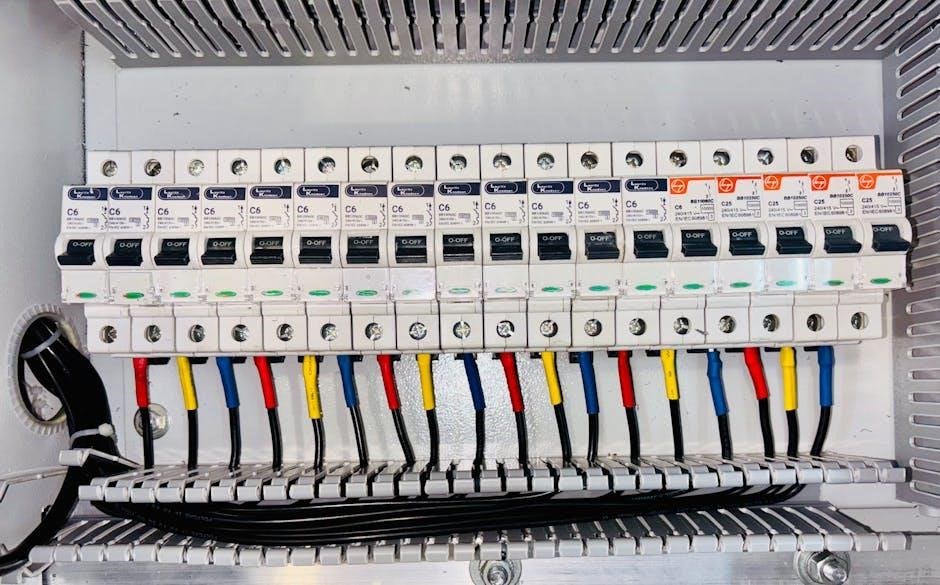
Installation costs for manual transfer switches exhibit considerable regional variation across the United States. States with higher costs of living‚ such as California and the Northeast‚ generally see prices at the upper end of the $1‚100 to $8‚000 range. Conversely‚ states in the South and Midwest often have lower labor rates‚ potentially reducing the overall expense.
Demand for qualified electricians also plays a role; areas experiencing increased demand may see inflated pricing. Furthermore‚ stricter local codes and permitting requirements can add to the total cost. Expect to pay more in areas with complex regulations. Obtaining quotes from multiple local electricians is crucial for accurate pricing.
A. Cost Differences by State
Significant discrepancies exist in manual transfer switch installation costs depending on the state. For example‚ California residents might face costs nearing the $8‚000 high end due to stringent regulations and high labor rates. In contrast‚ states like Texas or Oklahoma could see installations completed for around $1‚000 ― $1‚600.
Northeastern states‚ including New York and Massachusetts‚ typically fall in the $1‚800 to $4‚500 range. Southern states generally offer more competitive pricing. These variations stem from differing electrician wages‚ permit fees‚ and the overall demand for electrical services. Always research local pricing before committing to a project.
B. Impact of Demand on Pricing
Fluctuations in demand dramatically influence manual transfer switch installation costs. During peak hurricane seasons or periods of widespread power outages‚ demand surges‚ driving up electrician rates and material costs. Expect to pay a premium when everyone needs a solution simultaneously.
Conversely‚ during slower seasons‚ electricians may be more willing to negotiate pricing to secure work. Geographic areas prone to frequent power disruptions often have higher baseline costs due to consistent demand. Supply chain issues can also impact pricing‚ particularly for the transfer switch unit itself. Proactive planning and obtaining quotes well in advance can mitigate these effects.
IX. DIY vs. Professional Installation
While a DIY installation of a manual transfer switch might seem cost-effective‚ it carries significant risks. Incorrect wiring can lead to electrical hazards‚ void warranties‚ and potentially cause damage to your home’s electrical system. Local codes often require a permit and inspection‚ necessitating professional expertise.
Professional installation ensures adherence to safety standards and code compliance. Licensed electricians possess the knowledge and tools for a secure and efficient installation. Though more expensive upfront – typically $400 to $1‚300 for parts and labor – it provides peace of mind and avoids potentially costly mistakes. Prioritize safety and compliance over initial savings.
A. Risks of DIY Installation
Attempting a DIY installation of a manual transfer switch presents considerable dangers. Incorrect wiring is a primary concern‚ potentially leading to electrical shocks‚ fires‚ and damage to connected appliances. Code violations are also a significant risk‚ as installations must meet local electrical standards for safety and insurance purposes.
Furthermore‚ improper installation can void manufacturer warranties on both the transfer switch and your generator. A failed inspection due to non-compliant work can result in costly rework. While saving on labor seems appealing‚ the potential financial and safety consequences of a DIY approach far outweigh the benefits. Always prioritize safety and professional expertise.
B. Benefits of Professional Installation
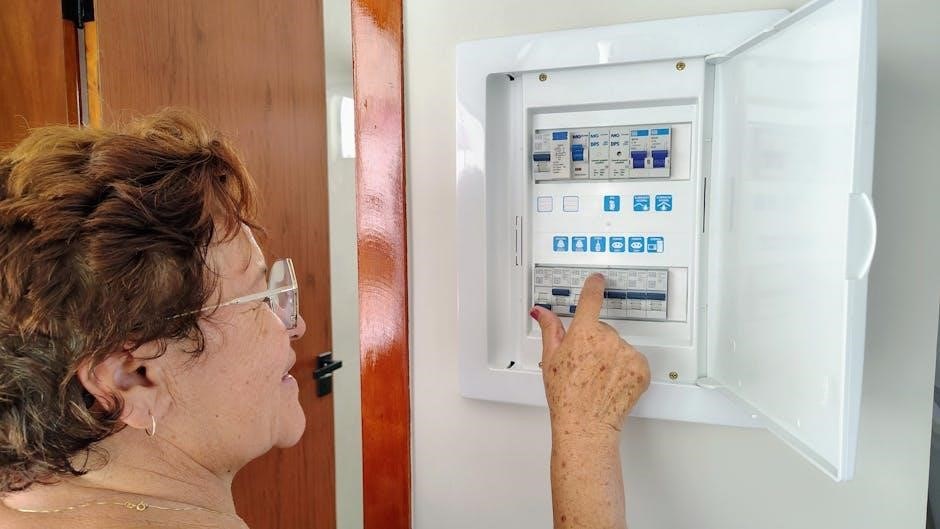
Engaging a qualified electrician for manual transfer switch installation ensures a safe and code-compliant setup. Professionals possess the expertise to accurately assess your electrical panel‚ determine appropriate amperage‚ and perform the wiring correctly‚ minimizing fire hazards and electrical shocks.
Moreover‚ a professional installation guarantees adherence to local permit requirements and successful inspection approval. This protects your investment and ensures your homeowner’s insurance remains valid. Peace of mind is a significant benefit‚ knowing the system will function reliably during power outages. While costing more upfront‚ professional installation avoids costly repairs or replacements due to errors.
X. Obtaining Quotes from Electricians
Securing multiple bids from licensed electricians is crucial for obtaining a competitive price on your manual transfer switch installation. Contact at least three professionals to compare quotes and services offered. Be prepared to provide details about your home’s electrical system and desired circuit count.
When requesting quotes‚ ask about the breakdown of costs – including parts‚ labor‚ permits‚ and potential upgrade fees. Inquire about their experience with transfer switch installations and request references. Don’t hesitate to ask about warranties and insurance coverage. A detailed‚ written estimate is essential for avoiding surprises later in the process.
A. Getting Multiple Bids
To ensure you receive the best possible price for your manual transfer switch installation‚ obtaining multiple bids is paramount. Contacting at least three qualified‚ licensed electricians is highly recommended. This allows for a comprehensive comparison of pricing structures and service offerings. Don’t settle for the first quote you receive; thorough research is key.
When soliciting bids‚ clearly articulate your project requirements‚ including the desired amperage and the number of circuits you intend to connect. Request a detailed‚ itemized breakdown of all costs – parts‚ labor‚ permits‚ and any potential additional expenses. Comparing these details will help you make an informed decision.
B. Questions to Ask Electricians
Before hiring an electrician for your manual transfer switch installation‚ ask crucial questions to gauge their expertise and ensure a smooth process. Inquire about their experience specifically with transfer switch installations – how many have they completed? Confirm they are fully licensed and insured‚ protecting you from liability.
Specifically ask about potential service panel upgrades; will your existing panel accommodate the switch‚ or will additional costs be incurred? Clarify their understanding of local permit requirements and if they will handle the application process. Finally‚ request a clear explanation of their labor rates and a detailed estimate outlining all anticipated expenses.
XI. Understanding Permits and Inspections
Most jurisdictions require permits for manual transfer switch installations‚ ensuring the work meets safety codes. The electrician typically handles the permit application process‚ but confirm this beforehand. Permit fees vary significantly by location‚ potentially adding $50 to $300 to the overall cost.
After installation‚ a local inspector will verify the work’s compliance with electrical codes. Ensure the electrician schedules the inspection and addresses any identified issues promptly. Failure to obtain necessary permits can result in fines and require rework‚ so prioritize compliance. Understanding these requirements avoids costly delays and ensures a safe‚ legally compliant installation.
A. Permit Application Process
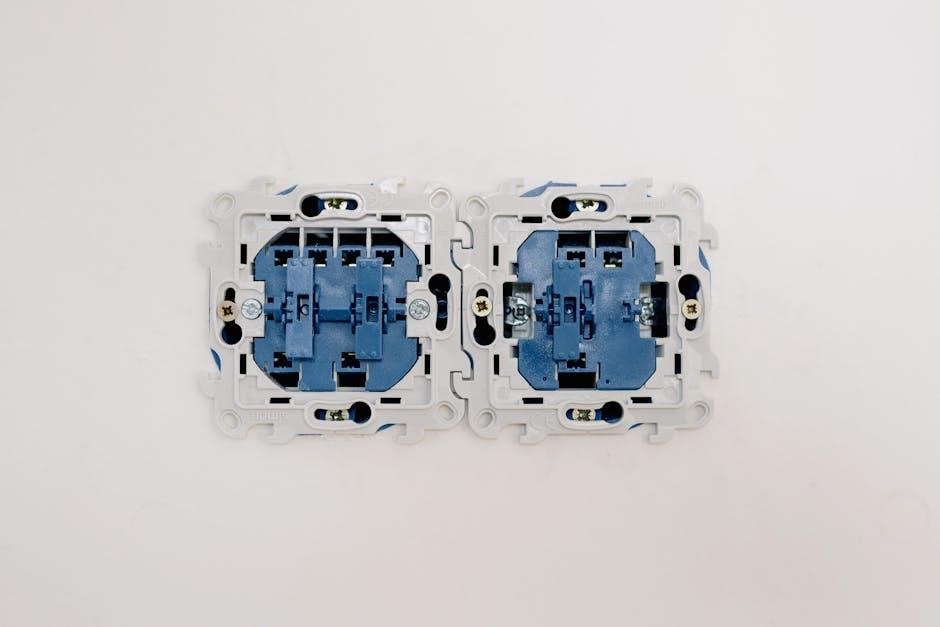
The permit application typically begins with your chosen electrician submitting plans to the local building department. These plans detail the proposed installation‚ including wiring diagrams and the transfer switch’s specifications. Expect to provide property information and potentially a site plan.
The building department reviews the application for code compliance‚ a process that can take several days to a couple of weeks. Permit fees‚ ranging from $50 to $300‚ are usually paid at the application stage. Your electrician will likely manage this process‚ but confirm their approach and associated costs upfront. A successful application receives a permit card‚ posted visibly during the installation.
B. Inspection Requirements
Following the installation‚ a local building inspector will visit to verify code compliance. Inspections ensure the transfer switch is safely and correctly installed‚ protecting your home and family. The inspector checks wiring connections‚ grounding‚ and the overall setup against local electrical codes.
Be prepared for potential minor corrections if issues are identified; these are common and usually quickly addressed. Inspection fees are often included in the initial permit cost‚ but confirm this with your local building department; A passed inspection signifies the installation meets safety standards‚ providing peace of mind and legal compliance. Schedule the inspection through the building department or your electrician.