Overview of TEAS Science Study Guides
Free TEAS science PDF guides offer concise, high‑yield content covering anatomy, physiology, chemistry, and biology․ They include practice questions, key concepts, and study tips, enabling students to review essential topics efficiently before the exam․
Download them from sites and study on the go ․
What is the TEAS Exam?
The Test of Essential Academic Skills (TEAS) is a standardized assessment used by many nursing and allied health programs to evaluate a candidate’s readiness for entry‑level coursework․ It covers four core domains: Reading, Mathematics, Science, and English/Language Usage․ The Science section focuses on biology, chemistry, physics, and anatomy/physiology, testing knowledge of cellular processes, chemical reactions, physical principles, and human body systems․ The exam is typically administered in a computer‑based format, with a total of 170 multiple‑choice questions distributed over a 3‑hour testing window․ Each domain is scored separately, and the overall score is reported as a percentile or a scaled score, depending on the institution’s requirements․ The TEAS is updated periodically; the current version, TEAS 7, incorporates the latest curriculum standards and aligns with the American Association of Colleges of Nursing (AACN) guidelines․ Nursing schools use TEAS scores to determine admission eligibility, placement, and to identify areas where students may need additional preparation․ Preparing for the TEAS involves reviewing foundational concepts, practicing timed quizzes, and familiarizing oneself with the test’s format and question types․ Many students supplement their study with free PDF guides that provide concise summaries, practice problems, and review strategies tailored to the exam’s structure․ These resources updated reflect curriculum changes, ensuring students have current information․
Why Focus on Science?
Science is the backbone of the TEAS exam, representing the most challenging and content‑rich domain for many test takers․ A solid grasp of biology, chemistry, physics, and anatomy/physiology not only boosts overall scores but also lays the groundwork for the clinical reasoning skills that nursing programs demand․ The Science section accounts for roughly 40% of the total question pool, and its questions are designed to assess both factual recall and the ability to apply concepts to real‑world scenarios, such as interpreting lab values or troubleshooting patient symptoms․ Because the TEAS is used as a gateway into nursing schools, a strong science performance can differentiate applicants and improve admission chances․ Moreover, free PDF study guides distill the most frequently tested topics—cellular respiration, the cardiovascular system, chemical bonding, and the nervous system—into concise, high‑yield summaries․ These resources often include practice questions that mirror the exam’s format, allowing students to build familiarity with the question types and pacing required․ By concentrating study efforts on the Science section, students can maximize their score potential, reduce test anxiety, and demonstrate readiness for the rigorous coursework ahead․ Ultimately, mastering science on the TEAS signals to admissions committees that a candidate possesses the foundational knowledge essential for success in nursing education and future clinical practice․ In addition, many free PDF guides provide mnemonic devices, concept maps, and quick‑reference tables that help students retain complex information efficiently․ These tools are especially valuable for visual learners who benefit from seeing relationships between systems, such as the interplay between the endocrine and nervous systems․ Finally, the Science section’s emphasis on critical thinking aligns with the competencies required for evidence‑based practice, making it a strategic focus for any aspiring nurse․ By investing time in targeted science review, students can convert difficult topics into manageable study units, ensuring they are well‑prepared for the high‑stakes nature of the TEAS․ Students who dedicate time to reviewing the core science concepts often find that their confidence grows, which in turn reduces test‑day anxiety․ The free PDF guides typically include detailed explanations for each answer choice, helping learners understand why certain options are correct or incorrect․ Additionally, many guides feature interactive quizzes that allow instant feedback, enabling students to track progress and identify persistent gaps․ Visual aids such as diagrams of the respiratory cycle, the blood flow through the heart, or the stages of the cell cycle are frequently incorporated, making abstract ideas more tangible․ Some PDFs also offer downloadable flashcards that can be used for spaced repetition, a proven technique for long‑term retention․ Finally, the cumulative effect of consistent practice with these resources can lead to a measurable improvement in the science score, which is often the deciding factor in competitive nursing program admissions․ By integrating these free study materials into a structured daily routine, learners can systematically cover all high‑yield topics, revisit challenging sections, and build a solid foundation that supports not only exam success but also the practical application of knowledge in clinical settings✓✓✓✓․
Free PDF Resources
Students can download free TEAS science PDFs from sites like Mometrix, Sinclair Community College, and the official ATI page․ These guides feature concise reviews, practice questions, and study tips, making them ideal for quick, focused preparation before the exam․ Students can also print the PDFs․!!
Popular Free Guide Titles
Below are some of the most frequently downloaded free TEAS science study guide PDFs that students rely on for concise, high‑yield content․ These titles are widely shared on educational forums, nursing school resource pages, and official ATI study‑resource portals․ Each guide focuses on core science concepts, offers practice questions, and provides quick‑reference summaries to help learners master the material before the exam․
- “TEAS 7 Science: Cell Structure & Division” – A focused review of cellular biology and genetics, featuring diagrams and key facts․
- “TEAS 7 Science Study Guide” – A comprehensive PDF covering anatomy, physiology, chemistry, and biology․
- “TEAS 7 Science: Anatomy & Physiology” – Includes organ‑system overviews and clinical correlations․
- “Mometrix TEAS Science Study Guide” – Offers practice questions and detailed explanations․
- “Sinclair Community College TEAS Science PDF” – A 74‑page review with sample questions and answer keys․
- “Free TEAS Science Practice Questions” – 20 practice questions covering cardiovascular, digestive, skeletal systems, and Mendel’s laws․
- “ATI TEAS 7 Anatomy & Physiology Study Guide” – Official ATI content with high‑yield notes and flashcards․

These guides are available for instant download from reputable educational websites, ensuring that students can study offline or on the go․ By focusing on the most requested titles, learners can quickly access the material that aligns with the exam’s current format and emphasis․
Students often share these PDFs in study groups, and many educators recommend them as part of a structured review plan․ The PDFs are lightweight, making them easy to transfer to mobile devices or cloud storage for on‑the‑go revision․ Because they are free, they provide an accessible entry point for students on tight budgets․

The PDFs also include hyperlinks to additional resources, allowing learners to explore deeper explanations when needed․ They are regularly updated to reflect changes in the TEAS curriculum, ensuring relevance for the 2026 exam cycle․ By downloading these popular titles, students can build a solid foundation in science concepts and approach the TEAS with confidence․
Where to Find Reliable PDFs
Students seeking free TEAS science PDFs should start with official and community‑supported sources․ The ATI website offers a free study guide that aligns with the current exam format, downloadable as a PDF after a quick registration․ Nursing school portals, such as those of Sinclair Community College and Mometrix, host peer‑reviewed PDFs that are updated annually․ Educational forums like Reddit’s r/nursing and College Confidential often link to verified PDFs, but users should verify the file’s authenticity by checking the author’s credentials and the publication date․ Public libraries provide access to e‑book collections that include TEAS study guides; many libraries now offer PDF downloads via their digital lending platforms․ Finally, reputable third‑party sites such as TeasStudyGuide․com and TeasFreePDF․com host collections of vetted PDFs, often accompanied by practice questions and answer keys․ Always ensure the PDF’s source is trustworthy to avoid outdated or incorrect content․ Use them on the go quickly!
Content Breakdown of Free Guides
Free TEAS science PDFs cover core topics: anatomy, physiology, chemistry, biology, and critical thinking․ They include concise summaries, key terms, practice questions, and answer explanations, enabling focused review before the exam․ Use them daily․ Keep up․
Core Topics Covered
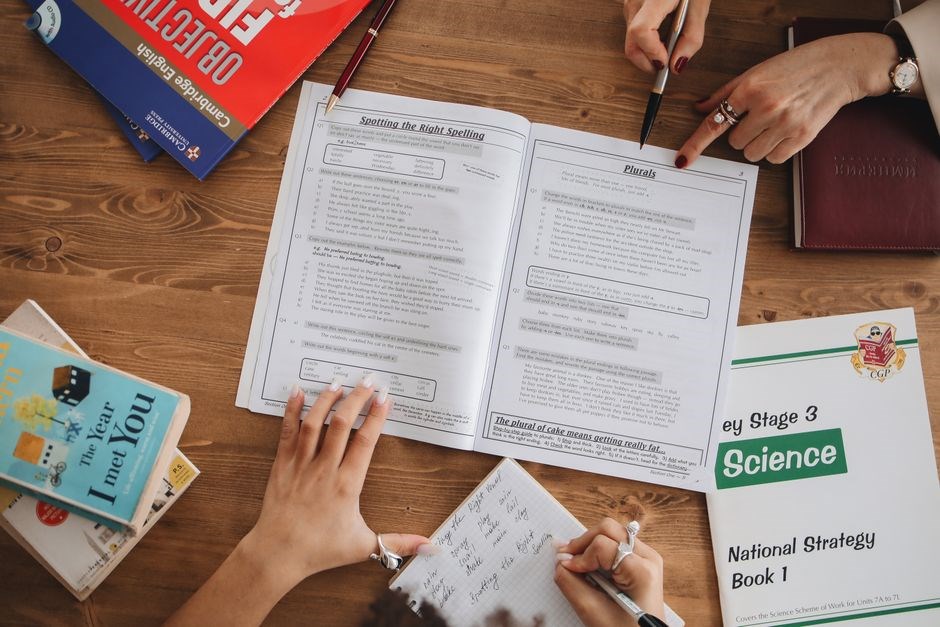
Free TEAS science PDFs focus on essential content areas that the ATI exam emphasizes․ The primary subjects include anatomy and physiology, where students review organ systems, cellular structure, and the functions of major body systems such as cardiovascular, respiratory, digestive, nervous, endocrine, musculoskeletal, and reproductive․ The chemistry section covers basic principles, chemical reactions, stoichiometry, acids and bases, and common laboratory safety practices․ Biology topics highlight cellular biology, genetics, evolution, and microbiology, providing concise explanations of DNA replication, Mendelian inheritance, and the roles of bacteria, viruses, and fungi․ Additionally, the guides address critical thinking skills, including data interpretation, graph analysis, and scientific reasoning․ Each topic is presented with key terms, concise summaries, and practice questions that mirror the format of the actual test, enabling students to identify gaps and reinforce learning efficiently․
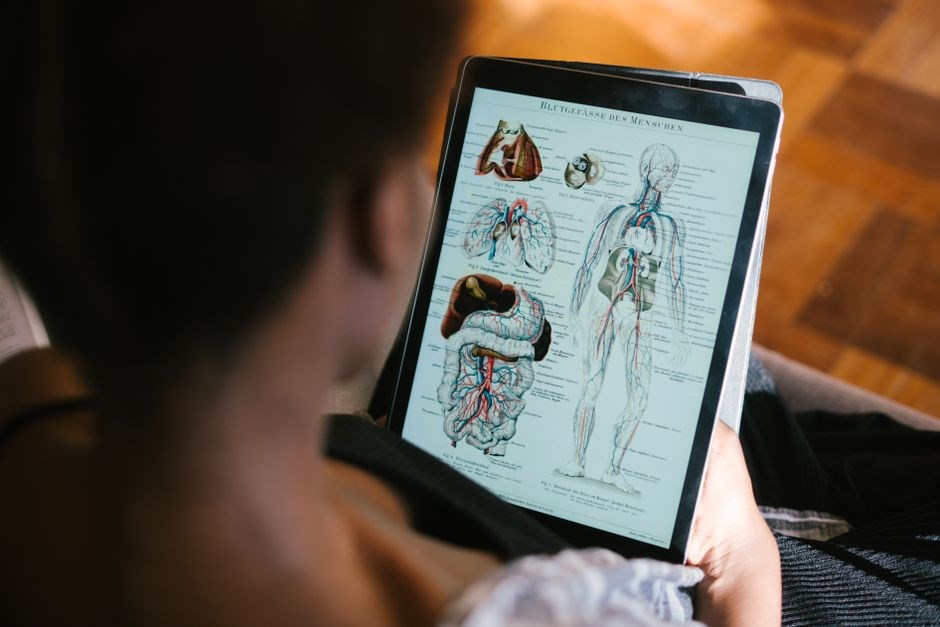
Students can also use the PDF guides to create flashcards, annotate key concepts, and track progress with custom quizzes․ The guides often include diagrams of the circulatory system, respiratory pathways, and the cell cycle, helping visual learners grasp complex processes․ By reviewing these visuals, learners can better understand how physiological mechanisms interact with chemical reactions and genetic regulation, reinforcing core concepts for the exam․ Use these guides to build confidence before test day

Study Strategies Highlighted in PDFs
Free TEAS science PDFs emphasize active learning: use flashcards, annotate key terms, and practice timed quizzes․ Focus on concept maps for organ systems, review practice questions immediately, and track mistakes to target weak areas․ Consistent daily review builds retention․Use spaced repetition daily
Practice Question Techniques
Free TEAS science PDFs provide a wealth of practice questions that mirror the exam’s format․ Start with a full‑length timed quiz to establish a baseline score․ After completing, review each answer, noting explanations for both correct and incorrect choices․ Create a “weak‑topic” list from the scored report and focus subsequent sessions on those areas․
Use spaced repetition by revisiting high‑yield questions every few days․ Incorporate flashcards for key terms and diagrams, and practice translating clinical scenarios into biological concepts․ Track progress in a spreadsheet: date, score, time, and topics mastered․ This data‑driven approach ensures you identify gaps early, adjust study intensity, and ultimately improve overall performance․
Additionally, practice with mixed‑section drills that combine science with reading and math to build endurance․ Simulate exam conditions by limiting breaks and using a timer․ After each session, write a brief reflection on which question types were most challenging and why․ Over time, this reflective practice sharpens test‑taking strategies and boosts confidence․
When reviewing explanations, focus on physiological pathways and biochemical reactions that are frequently tested․ Draw quick schematic diagrams to visualize processes like the Krebs cycle or the renin‑angiotensin system․ For chemistry, solve sample equations and predict reaction products․ Repeating these tasks reinforces memory and improves recall speed during the actual exam․
Remember to keep your practice materials organized: label PDFs by topic, color‑code your notes, and archive completed quizzes with timestamps․ This organization reduces study fatigue and allows you to quickly locate the most relevant resources when time is limited․ Consistency is key—dedicate at least 30 minutes daily to practice questions, gradually increasing to an hour as the exam date approaches․ With disciplined practice and strategic review, the free TEAS science PDFs become a powerful ally in achieving your desired score․ Aim for a 90% accuracy before final review․ Also, review the official ATI content outline to ensure coverage; Stay focused! Go!
Time Management Tips
Free TEAS science PDFs often contain practice tests that mimic the exam’s pacing․ Begin by timing yourself on a full‑length quiz; note the average time per question․ Divide the 60‑minute science section into four 15‑minute blocks, allocating extra minutes for harder topics like physiology or chemistry․ Use the “skip‑and‑return” strategy: answer easy questions first, then revisit the tougher ones if time permits․
Mark questions you’re unsure about with a highlighter or a digital flag․ After the first pass, return to these flagged items, applying the same time check․ If you’re behind schedule, switch to a “quick‑scan” mode: read the stem, eliminate obvious choices, and choose the best answer in 10–12 seconds․
Incorporate a “time‑audit” each week: record how long you spend on each topic and adjust study blocks accordingly․ For example, if you spend 45 minutes on cellular biology but score only 70%, allocate an extra 15 minutes next week․ Keep a running tally of cumulative study hours to ensure you meet the recommended 30–40 hours before the exam․
During the actual test, keep a mental clock․ If you’re on a question that takes longer than 30 seconds, move on and return if time remains․ Practice this strategy in mock exams to build muscle memory․ Finally, review the official ATI content outline to confirm you’re covering all high‑yield areas within your time limits․
Remember to review each answer’s rationale to reinforce concepts and avoid repeating mistakes․ Practice daily․!!

Downloading and Using Guides
Download free TEAS science PDFs from trusted sites like ATI, Mometrix, or community college portals․ Save them to a folder, open with a PDF reader, and use bookmarks for quick navigation․ Print key sections for review, and annotate with highlighters for study․ Review progress weekly, adjust focus․!!
Best Sites for PDFs
When searching for free TEAS science PDFs, the most reliable sources are the official ATI website, Mometrix Test Preparation, and community college portals such as Sinclair Community College․ ATI offers downloadable study guides that mirror the current test format, including detailed explanations and practice questions․ Mometrix provides a comprehensive PDF covering anatomy, physiology, chemistry, and biology, with a focus on high‑yield topics․ Community colleges often release free study materials through their library or student resource pages; these PDFs are updated annually to reflect the latest TEAS version․ Additionally, reputable educational platforms like Khan Academy and Quizlet host user‑generated flashcards and summary sheets that can be exported as PDFs․ Always verify the file’s date and version compatibility before downloading, and use a trusted PDF viewer to avoid malware․ Once downloaded, organize the files in a dedicated folder, label them by subject, and use bookmarks for quick navigation during study sessions․ Printing key sections for offline review can reinforce retention, especially for complex concepts such as cellular respiration or the cardiovascular system․ Finally, keep a backup on a cloud drive or external storage to prevent data loss․
For students on a tight budget, many public libraries provide access to e‑learning portals that host TEAS study materials․ By logging in with a library card, you can download PDFs without any cost․ Some universities also share open‑access resources on their course websites; searching for “TEAS science PDF” in the institution’s repository often yields free, up‑to‑date study guides․ When selecting a PDF, look for indicators such as “Version 7” or “2026” to ensure alignment with the current exam․ If the file is large, consider splitting it into sections using a PDF editor to focus on one topic at a time․ Regularly review the PDF’s table of contents to track progress and identify weak areas․ Many students find that annotating the PDF with sticky notes or digital highlights helps them recall key facts during timed practice tests․ Finally, always keep the original PDF in a secure location, as it can serve as a reference for future certification renewals or advanced coursework․ Use these resources wisely to boost your prep!!․
Offline Study Tips
Printing the PDF allows you to highlight, annotate, and create quick reference sheets․ Break the material into manageable sections—anatomy, physiology, chemistry, biology—and focus on one at a time․ Use sticky notes for key terms and formulas․ Create flashcards from the PDF’s questions and answers; write the question on one side and the answer on the other, then shuffle to test recall․ Practice timed quizzes by setting a stopwatch and answering a set number of questions per minute․ Record your scores to track improvement․ Use a whiteboard or large paper to diagram complex processes like the cardiac cycle or cellular respiration; drawing reinforces memory․ Schedule short, frequent study sessions instead of long marathons; a 25‑minute block followed by a 5‑minute break keeps focus sharp․ Review mistakes immediately—write down why an answer was wrong and how to correct it․ Keep a dedicated study journal; note concepts that need review and summarize each section in your own words․ When traveling, bring a small notebook and a set of pens to jot down insights․ Finally, simulate test conditions by sitting in a quiet space, timing yourself, and avoiding distractions; this builds confidence for the actual exam day․
Use the PDF’s built‑in search feature to locate key terms quickly, then create a summary sheet for each major topic․ Review these sheets daily, testing yourself with spaced repetition․ Keep a progress tracker to note which sections still need reinforcement․ Consistently review daily! today